
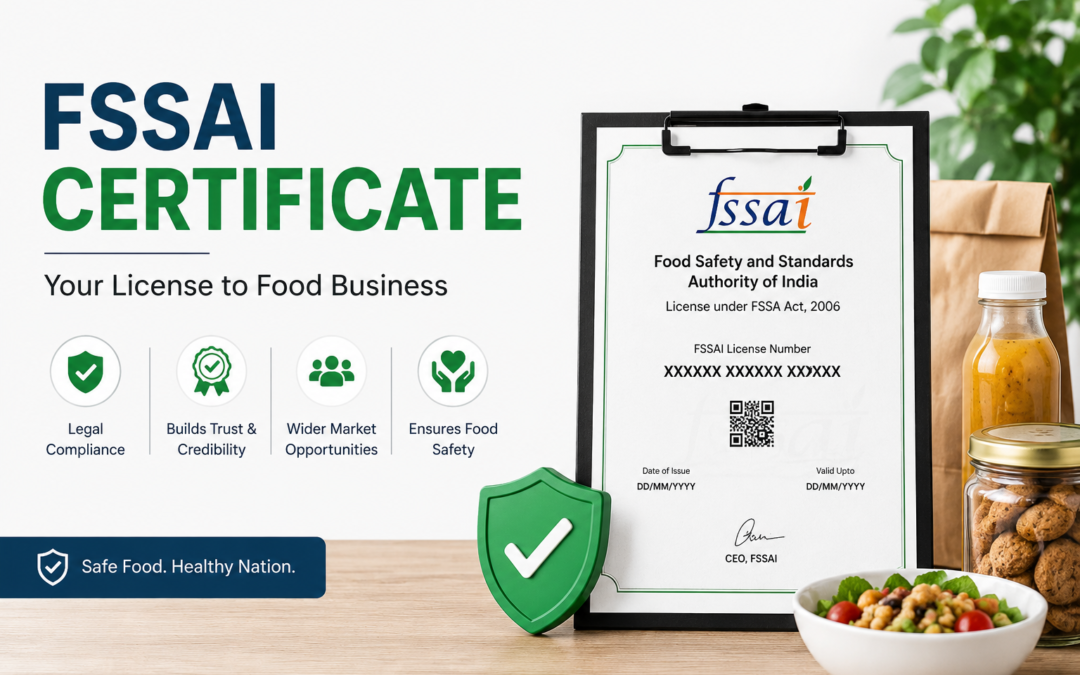
Most people choose where to eat based on taste, price, or convenience — rarely does anyone stop to check for FSSAI certification before ordering. But this one detail says more about a food business’s safety and hygiene standards than almost anything else you can observe from the counter. Here’s what this certification actually means, why it matters, and how a business like SpiceHub in Purasawalkam approaches it in practice.
Contents
- 1 1) What Is FSSAI Certification?
- 2 2) What Does FSSAI Certification Actually Cover?
- 3 3) Common Misconceptions About FSSAI Certification
- 4 4) Why FSSAI Certification Matters When Choosing an Eatery
- 5 5) How to Check If an Eatery Is FSSAI Certified
- 6 6) How SpiceHub Meets This Standard in Purasawalkam
- 7 7) Frequently Asked Questions
1) What Is FSSAI Certification?
FSSAI stands for the Food Safety and Standards Authority of India — the government body responsible for regulating food businesses nationwide, from small street food stalls to large restaurant chains. FSSAI certification is official confirmation that a business has met defined safety, hygiene, and quality standards set by this authority, rather than simply operating on trust.
a.The Authority Behind It
FSSAI was established specifically to consolidate food safety regulation in India under one body, replacing a patchwork of older, inconsistent rules. Its job is to set standards, license and register food businesses, and monitor compliance across the country.
b.Who Needs to Register?
Every food business in India — regardless of size — is legally required to hold some form of FSSAI registration or license, depending on their scale of operation.
-Basic Registration
Meant for very small operations — think tiny stalls or home-based food sellers with modest turnover.
-State License
Required for mid-sized businesses, including most standalone restaurants and shops with moderate daily volume.
-Central License
Reserved for large-scale operations, chains, or businesses involved in import/export of food products.
This tiered structure means a business’s exact certification level often reflects its scale — but the underlying safety standards being checked are consistent across all three.
2) What Does FSSAI Certification Actually Cover?
This certification isn’t just paperwork sitting in a drawer — it involves genuine review of several operational areas.
a.Ingredient Sourcing
Certified businesses are expected to source ingredients from traceable, compliant suppliers — not from unverified or unregulated sources.
b.Storage and Handling
Proper storage temperatures, cleanliness standards, and pest control all fall under what FSSAI certification is meant to verify.
c.Staff Hygiene Practices
This includes things like proper handwashing, use of gloves where appropriate, and general cleanliness standards for anyone directly handling food.
3) Common Misconceptions About FSSAI Certification
a. “Only Big Restaurants Need It”
This is one of the most common misunderstandings. In reality, the risks are often higher with smaller, informal operations, simply because they typically have less oversight otherwise. A stall without any registration could be handling food safely — but there’s no way to verify that without the paperwork to back it up.
b. “If the Food Tastes Fine, It’s Safe”
Taste and safety are not the same thing. Many foodborne illness risks — bacterial contamination, unsafe storage temperatures, contaminated water — are completely undetectable by taste alone. FSSAI certification exists precisely because “it tastes fine” isn’t a reliable safety indicator.
4) Why FSSAI Certification Matters When Choosing an Eatery
a.Food Safety and Hygiene
Uncertified vendors can cut corners in ways you’d never notice as a customer — reused oil, poor storage temperatures, unclean water, or ingredients well past their prime. A valid license means there’s a documented standard being followed, which meaningfully reduces the guesswork around what you’re actually eating.
b.Accountability
A certified business is accountable to a regulatory authority, meaning there’s an actual system in place if standards slip. This accountability is often the real difference between a business that takes food safety seriously and one that’s simply never been checked.
c.Consistency Over Time
Certification also tends to encourage consistency. A business maintaining its standards to stay compliant is more likely to deliver the same quality experience every visit, rather than variable results depending on the day.
d.Legal Protection for Consumers
If something does go wrong — a genuine food safety incident — a certified business is traceable and accountable through a formal regulatory system, giving consumers real recourse that simply doesn’t exist with an unregistered vendor.
5) How to Check If an Eatery Is FSSAI Certified
a.Look for the License Number
Certified businesses are legally required to display their license number — usually near the billing counter, on the menu, or at the entrance.
b.Verify via the FoSCoS Portal
You can independently confirm whether a certification is genuine and currently active using the government’s official FoSCoS portal, which lets anyone search a business’s license number and verify its status.
c.Red Flags to Watch For
No visible license number, reluctance to answer questions about food prep practices, or visibly poor storage/handling are all signs worth taking seriously, certification or not.
6) How SpiceHub Meets This Standard in Purasawalkam
At SpiceHub, FSSAI certification isn’t just a compliance checkbox — it’s part of how we’ve operated for nine years. Our kitchen is fully certified, everything is prepared fresh only after it’s ordered, and we follow strict hygiene practices from ingredient sourcing all the way through to serving.
It’s a quieter reason we’re often mentioned as the best chaat shop in Purasawalkam — the taste is what brings people in, but consistent, certified food safety standards are what bring them back. You can find more details on our practices and location on our Contact page.
7) Frequently Asked Questions
a.How long does FSSAI certification last?
Licenses are typically issued for a period of one to five years, depending on the type, and must be renewed before expiry to remain valid.
b.What happens if a restaurant operates without it?
Operating without valid FSSAI registration is a legal violation and can result in penalties, fines, or business closure, depending on the severity and duration of non-compliance.
For more on food safety regulations in India, the FSSAI official website is a useful reference for anyone wanting to independently verify a business’s certification status.